Introduction to Arch CAD
In the dynamic world of architecture and design, technology continues to play a pivotal role in shaping the way professionals conceptualize and execute their projects. One of the most influential tools in this realm is Computer-Aided Design, commonly known as CAD. Among the various CAD software available, Arch CAD has emerged as a significant player, offering architects and designers a robust platform to bring their visions to life. This introduction aims to explore the fundamental aspects of Arch CAD, highlighting its importance, features, and impact on the architectural industry.
Arch CAD, short for Architectural Computer-Aided Design, is a specialized software application developed to meet the unique needs of architects and designers. Unlike traditional CAD software, which may cater to a broad range of industries, Arch CAD focuses specifically on the requirements of architectural design. This specialization allows it to offer tools and functionalities that are finely tuned to the nuances of architectural projects, from conceptualization to detailed design and documentation.
The importance of Arch CAD in modern architecture cannot be overstated. As the demand for innovative and sustainable building designs increases, architects are challenged to produce complex structures that are both aesthetically pleasing and functionally sound. Arch CAD provides the necessary tools to meet these demands, enabling architects to create detailed 3D models, perform structural analyses, and generate accurate construction documents. This not only enhances the efficiency of the design process but also improves the quality and precision of the final output.
One of the key features that sets Arch CAD apart is its ability to integrate with other design and engineering tools, allowing for a seamless workflow across various stages of a project. This interoperability is crucial in today’s collaborative work environment, where architects often work alongside engineers, contractors, and other stakeholders. By facilitating smooth communication and data exchange, Arch CAD helps ensure that all parties are aligned, reducing the risk of errors and project delays.
Furthermore, Arch CAD is known for its user-friendly interface and intuitive design tools, which make it accessible to both seasoned professionals and newcomers to the field. Its extensive library of pre-designed components and templates allows users to quickly generate models and experiment with different design ideas. This flexibility is particularly beneficial in the early stages of a project, where rapid prototyping and iteration are essential.
In summary, Arch CAD represents a significant advancement in the field of architectural design, providing architects with the tools they need to innovate and excel in their craft. As we delve deeper into the main body of this article, we will explore the specific features and benefits of Arch CAD, as well as its impact on the architectural industry as a whole.
Exploring the Features and Impact of Arch CAD
Arch CAD has established itself as a cornerstone in the architectural industry by offering a suite of features that streamline the design process and enhance the capabilities of architects. In this section, we will delve into the specific functionalities that make Arch CAD an indispensable tool, as well as its broader impact on the architectural landscape.
Advanced Design Tools
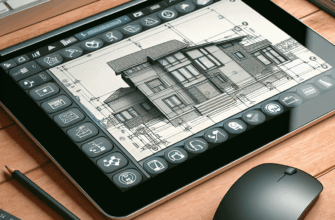
At the heart of Arch CAD lies its advanced design tools, which empower architects to create intricate and detailed models with precision. The software supports both 2D and 3D modeling, enabling users to visualize their projects from multiple perspectives. This dual capability is crucial in architectural design, where visualizing spatial relationships and structural elements is essential. The 3D modeling feature allows architects to explore innovative design ideas and present them in a tangible format to clients and stakeholders.
Integration and Interoperability
One of the standout features of Arch CAD is its ability to integrate seamlessly with other software applications used in the architecture, engineering, and construction (AEC) industry. This interoperability ensures that architects can collaborate effectively with engineers, contractors, and other professionals involved in a project. By facilitating the exchange of data and designs across platforms, Arch CAD helps maintain consistency and accuracy throughout the project lifecycle. This capability is particularly valuable in large-scale projects, where coordination among various teams is critical to success.
Efficiency and Productivity
Arch CAD significantly enhances efficiency and productivity in architectural projects. Its user-friendly interface and intuitive design tools reduce the learning curve for new users, allowing them to quickly adapt and start working on projects. The software’s extensive library of pre-designed components and templates further accelerates the design process, enabling architects to focus on creativity and innovation rather than repetitive tasks. Additionally, Arch CAD’s automation features, such as automated dimensioning and annotation, reduce the time spent on manual documentation, freeing up resources for more strategic tasks.
Sustainability and Innovation
In today’s world, sustainability is a key consideration in architectural design. Arch CAD supports architects in creating environmentally friendly and sustainable designs by providing tools for energy analysis and performance simulation. These tools allow architects to assess the environmental impact of their designs and make informed decisions to optimize energy efficiency. By integrating sustainability into the design process, Arch CAD helps architects meet the growing demand for green buildings and sustainable urban development.
Conclusions
In conclusion, Arch CAD stands out as a powerful tool that has transformed the way architects approach design and project execution. Its advanced design tools, integration capabilities, and focus on efficiency and sustainability make it an essential asset for modern architectural practices. As the architectural industry continues to evolve, Arch CAD will undoubtedly play a pivotal role in shaping the future of design, enabling architects to push the boundaries of creativity and innovation.