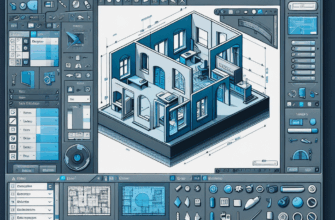
Understanding AutoCAD Reader: An Essential Tool for Viewing CAD Files
In the world of design and engineering, precision and accuracy are paramount. Professionals across various industries rely on sophisticated software to create intricate designs and detailed schematics. One such software that has become a cornerstone in the field of computer-aided design is AutoCAD. Developed by Autodesk, AutoCAD is a powerful tool that enables architects, engineers, and designers to draft, annotate, and design 2D and 3D models with unparalleled precision. However, not everyone involved in a project needs the full capabilities of AutoCAD. Often, stakeholders, clients, or team members simply need to view and review the designs rather than create or edit them. This is where AutoCAD Reader comes into play.
AutoCAD Reader, often referred to as DWG Viewer, is a specialized tool designed to allow users to open and view AutoCAD files without the need for the full version of the software. This capability is crucial for facilitating collaboration and communication among team members who may not have access to AutoCAD or the technical expertise to use it. By providing a platform to view detailed CAD drawings, AutoCAD Reader ensures that everyone involved in a project can access the information they need to make informed decisions.
The importance of AutoCAD Reader extends beyond mere convenience. In today’s fast-paced and highly connected world, the ability to share and review designs quickly and efficiently can significantly impact the success of a project. Whether it’s a construction blueprint, a mechanical part design, or an architectural layout, having instant access to these files can streamline workflows and enhance productivity. Moreover, AutoCAD Reader supports various file formats, including the widely used DWG and DXF formats, making it a versatile tool for professionals across different sectors.
As we delve deeper into the functionalities and benefits of AutoCAD Reader, it becomes evident that this tool is not just a viewer but an integral part of the design process. It empowers users by providing a clear and accurate representation of complex designs, enabling effective communication and collaboration. In the following sections, we will explore the features of AutoCAD Reader, its applications in various industries, and how it contributes to enhancing project outcomes.
The Versatility and Functionality of AutoCAD Reader
AutoCAD Reader is a vital tool for professionals who need to interact with CAD files without engaging in the complex process of editing or creating designs. This software provides a user-friendly interface that makes it accessible to a wide range of users, from seasoned engineers to clients who may not have a technical background. By focusing on simplicity and accessibility, AutoCAD Reader ensures that users can easily navigate through intricate designs and obtain the information they need.
AutoCAD Reader
One of the standout features of AutoCAD Reader is its ability to support multiple file formats, most notably the DWG and DXF formats. These formats are the industry standard for CAD drawings, and having a tool that can accurately render them is crucial for maintaining the integrity of the designs. AutoCAD Reader allows users to zoom in and out of drawings, pan across different sections, and even measure distances within the design. This functionality is essential for stakeholders who need to verify details and dimensions without altering the original file.
Moreover, AutoCAD Reader enhances collaboration by enabling users to share CAD files easily. In a collaborative environment, team members can provide feedback and make annotations directly on the drawings, facilitating a more dynamic and interactive review process. This capability is particularly beneficial in large-scale projects where multiple parties need to be aligned on design specifics. By using AutoCAD Reader, teams can ensure that everyone is on the same page, thus minimizing the risk of miscommunication and errors.
Another significant advantage of AutoCAD Reader is its compatibility with various devices. Whether on a desktop computer, a tablet, or even a smartphone, users can access CAD files on the go. This flexibility is invaluable for professionals who are constantly on the move and need to review designs during meetings, site visits, or while traveling. With AutoCAD Reader, the power of CAD is literally at your fingertips, providing the convenience of mobile access without compromising on the quality of the visual representation.
Conclusion
In conclusion, AutoCAD Reader serves as an indispensable tool for anyone involved in the design and engineering fields. Its ability to provide detailed views of CAD drawings without the need for complex software makes it an essential component of modern project workflows. By facilitating easy access, collaboration, and review, AutoCAD Reader not only enhances productivity but also ensures that projects are executed with precision and efficiency. As technology continues to evolve, the role of tools like AutoCAD Reader in bridging the gap between design and implementation will only become more critical.