Understanding the Basics of CAD Drafting
In the world of design and engineering, precision and accuracy are paramount. Whether it is creating intricate architectural plans or designing complex mechanical components, the ability to translate ideas into detailed and accurate representations is crucial. This is where Computer-Aided Design, or CAD, drafting comes into play. CAD drafting is a technological marvel that has revolutionized the way professionals across various industries approach the design process. By leveraging advanced software, CAD drafting allows designers and engineers to create precise digital models and drawings, significantly enhancing productivity and creativity.
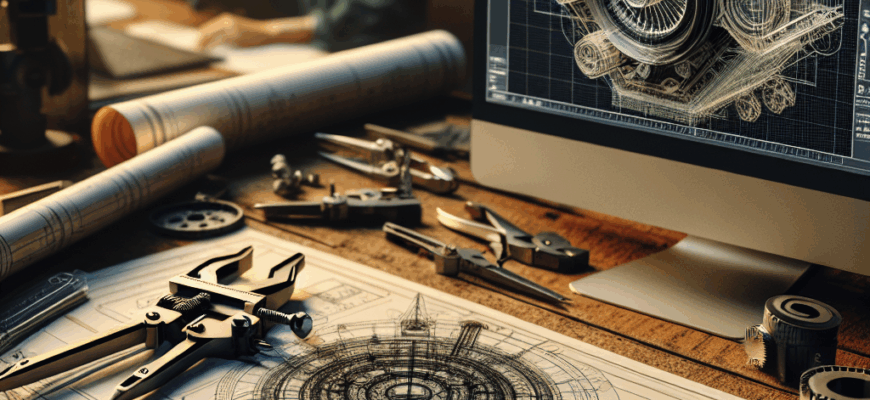
At its core, CAD drafting is the process of using computer software to create detailed 2D or 3D models of physical objects. This technique replaces traditional hand-drawn methods, offering a more efficient and versatile approach to design. The advent of CAD drafting has transformed industries such as architecture, engineering, and manufacturing by providing tools that facilitate complex calculations, simulations, and modifications with ease. This transition from manual drafting to digital platforms has not only increased the speed and accuracy of design work but also opened up new possibilities for innovation and collaboration.
One of the most significant advantages of CAD drafting is its ability to streamline the design process. By utilizing sophisticated software, designers can quickly generate and modify designs, test different scenarios, and optimize their creations before they are brought to life. This capability not only saves time but also reduces the risk of costly errors during the production phase. Furthermore, CAD drafting enables seamless collaboration among team members, regardless of their physical location, by allowing multiple users to work on the same project simultaneously.
As technology continues to advance, CAD drafting is becoming increasingly accessible to a broader audience. With user-friendly interfaces and a wide range of software options available, individuals and businesses of all sizes can harness the power of CAD drafting to enhance their design capabilities. Whether you are a seasoned professional or a novice exploring the world of design, understanding the fundamentals of CAD drafting is essential for staying competitive in today’s fast-paced and ever-evolving landscape.
The Role of CAD Drafting in Modern Design and Engineering
CAD drafting has become an indispensable tool in modern design and engineering, offering a multitude of benefits that extend across various industries. This technology not only enhances the precision and accuracy of design work but also facilitates innovation and collaboration in ways that were previously unimaginable. By understanding the role of CAD drafting, professionals can better appreciate its impact and leverage its capabilities to improve their projects.
CAD Drafting in Architecture
In the field of architecture, CAD drafting has revolutionized how architects conceptualize and execute their designs. The software allows for the creation of detailed floor plans, elevations, and sections, providing a comprehensive view of a building’s design. This capability is essential for ensuring that all aspects of a structure are meticulously planned and executed. Moreover, CAD drafting enables architects to experiment with different design elements, materials, and layouts, allowing for greater creativity and innovation in their projects. The ability to simulate real-world conditions and visualize the finished product before construction begins significantly reduces the risk of errors and enhances the overall quality of the work.
CAD Drafting in Engineering
In engineering, CAD drafting plays a critical role in the design and development of complex systems and components. Whether it is mechanical, electrical, or civil engineering, the ability to create precise 3D models is crucial for analyzing and optimizing designs. Engineers can use CAD software to conduct simulations and stress tests, ensuring that their designs meet the necessary specifications and performance criteria. This level of analysis is vital for identifying potential issues early in the design process, saving time and resources in the long run. Additionally, CAD drafting facilitates collaboration among multidisciplinary teams, allowing engineers to work together more effectively and efficiently.
CAD Drafting in Manufacturing
The manufacturing industry has also greatly benefited from the advancements in CAD drafting technology. By creating detailed digital prototypes, manufacturers can streamline the production process and reduce the time-to-market for new products. CAD drafting allows for precise measurements and specifications, ensuring that each component is manufactured to exact standards. This precision is crucial for maintaining quality and consistency in mass production. Furthermore, CAD software can integrate with other technologies, such as computer-aided manufacturing (CAM) and 3D printing, to further enhance the efficiency and capabilities of the manufacturing process.
Conclusion
In conclusion, CAD drafting has become an essential component of modern design and engineering practices. Its ability to enhance precision, foster innovation, and facilitate collaboration has transformed how professionals approach their work across various industries. By leveraging the power of CAD drafting, architects, engineers, and manufacturers can create more accurate and efficient designs, ultimately leading to better outcomes and increased competitiveness in the market. As technology continues to evolve, the role of CAD drafting is likely to expand even further, offering new opportunities and challenges for those who embrace its potential.