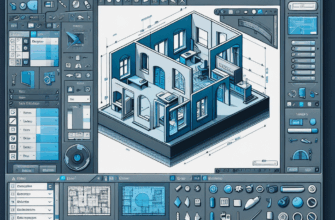
Introduction to the World of CAD Software
In the rapidly evolving landscape of technology, Computer-Aided Design (CAD) software stands out as a pivotal tool that has revolutionized the way we conceptualize, design, and execute projects across various industries. CAD software is a sophisticated application that enables users to create precise drawings and technical illustrations, offering a digital platform for architects, engineers, designers, and other professionals to bring their visions to life. The advent of CAD software has dramatically transformed traditional drafting methods, replacing manual drafting with digital precision and efficiency. This transformation has not only enhanced the quality of designs but has also significantly accelerated the design process, allowing for greater creativity and innovation.
The use of CAD software is most prevalent in fields that require detailed and accurate design work. Its applications are diverse, spanning industries such as architecture, engineering, construction, automotive, aerospace, and even fashion design. Each of these sectors utilizes CAD software to streamline their design processes, improve accuracy, and facilitate collaboration among teams. For instance, architects use CAD to design buildings and structures, ensuring that every detail is meticulously planned and executed. Engineers rely on CAD for creating complex mechanical parts and systems, while fashion designers use it to conceptualize new clothing lines with precision.
As technology continues to advance, CAD software has evolved to include a wide range of features and capabilities. Modern CAD programs offer 3D modeling, simulation, and analysis tools that provide users with an immersive design experience. These advanced features enable professionals to visualize their designs in a realistic manner, conduct stress tests, and predict the performance of their creations under various conditions. This level of detail and foresight is invaluable in preventing costly errors and ensuring that the final product meets all necessary specifications and standards.
The integration of CAD software into various industries has also facilitated greater collaboration and communication among project stakeholders. With cloud-based CAD solutions, teams can work on projects simultaneously from different locations, sharing updates and feedback in real-time. This collaborative approach not only enhances productivity but also ensures that all team members are aligned and informed throughout the project lifecycle.
In summary, CAD software is an indispensable tool in the modern design and engineering landscape. Its ability to enhance precision, efficiency, and collaboration has made it a staple in industries that demand high levels of accuracy and innovation. As we delve deeper into this article, we will explore the specific industries that rely heavily on CAD software and examine the myriad ways in which it has transformed their operations.
Exploring the Industries that Rely on CAD Software
Computer-Aided Design software has become an essential tool across a multitude of industries, each utilizing its capabilities to enhance precision, efficiency, and innovation. The versatility of CAD software allows it to be adapted for a variety of applications, making it an indispensable asset for professionals who require detailed and accurate design work. Let’s delve into some of the key industries where CAD software is most likely to be used and examine how it has transformed their operations.
Architecture and Construction
In the realm of architecture and construction, CAD software is a cornerstone of the design process. Architects use CAD to create detailed blueprints and 3D models of buildings, ensuring that every aspect of the structure is meticulously planned. This digital approach allows for easy modifications and iterations, enabling architects to experiment with different design concepts and materials. CAD software also facilitates the creation of virtual walkthroughs, providing clients with a realistic preview of the final structure. In construction, CAD is used to plan and coordinate various aspects of the building process, from structural engineering to interior design, ensuring that all components fit together seamlessly.
Engineering and Manufacturing
The engineering and manufacturing industries heavily rely on CAD software for designing complex mechanical parts and systems. Engineers use CAD to create detailed schematics and 3D models of components, allowing for precise measurements and specifications. This level of detail is crucial for ensuring that parts fit together correctly and function as intended. In manufacturing, CAD software is used to design tools, machinery, and production lines, optimizing the efficiency and accuracy of the manufacturing process. The ability to simulate and analyze designs before production helps in identifying potential issues and reducing the risk of costly errors.
Aerospace and Automotive
The aerospace and automotive industries are at the forefront of innovation, and CAD software plays a critical role in their design and development processes. In aerospace, CAD is used to design aircraft components, from the fuselage to the intricate systems within. The software allows engineers to conduct simulations and stress tests, ensuring that the components can withstand the rigors of flight. Similarly, in the automotive industry, CAD is used to design everything from individual car parts to entire vehicles. The software enables designers to experiment with aerodynamics, ergonomics, and safety features, ultimately leading to more efficient and safer vehicles.
Fashion and Textile Design
While CAD software is traditionally associated with engineering and architecture, its applications in the fashion and textile industry are equally significant. Fashion designers use CAD to create detailed patterns and designs for clothing and accessories. The software allows for precise control over fabric textures, colors, and patterns, enabling designers to visualize their creations before they are produced. This digital approach not only speeds up the design process but also allows for greater experimentation and creativity. In textile design, CAD is used to create intricate patterns and prints, streamlining the production of fabrics and garments.
Conclusion
CAD software is most likely to be used by professionals in industries that demand high levels of precision and innovation. Whether in architecture, engineering, aerospace, automotive, or fashion, CAD has become an invaluable tool that enhances the design process and facilitates collaboration. Its ability to create detailed and accurate models, conduct simulations, and streamline production processes has revolutionized the way these industries operate. As technology continues to advance, the capabilities of CAD software will undoubtedly expand, further cementing its role as a critical component in the toolkit of modern designers and engineers.