Introduction to Computer Aided Drawing
In the ever-evolving realm of technology, computer aided drawing, often abbreviated as CAD, stands out as a pivotal innovation that has transformed the way we design and visualize the world around us. From the intricate blueprints of architectural marvels to the precise schematics of mechanical components, CAD has become an indispensable tool across a multitude of industries. As we delve into the intricacies of this technology, it is essential to understand its origins, its impact, and the myriad possibilities it offers to professionals and hobbyists alike.
The journey of computer aided drawing began in the mid-20th century, a time when designers and engineers relied heavily on manual drafting techniques. The introduction of computers into this field marked a significant turning point, offering unprecedented accuracy and efficiency. Early CAD systems were primarily used in aerospace and automotive industries, where the demand for precision was paramount. Over the years, advancements in computing power and software capabilities have democratized access to CAD tools, making them available to a wider audience.
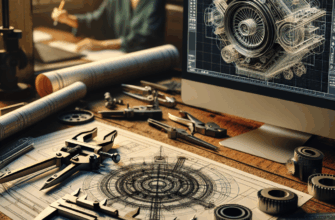
Today, CAD software is a cornerstone in fields such as architecture, engineering, and construction. It allows users to create two-dimensional and three-dimensional models with remarkable detail and precision. Beyond just drawing, modern CAD systems offer simulation and analysis features, enabling users to test their designs in virtual environments before bringing them to life. This capability not only enhances the quality of the final product but also significantly reduces the time and cost associated with the design process.
Moreover, the integration of CAD with other technologies such as computer aided manufacturing (CAM) and 3D printing has further expanded its applications. Designers can now seamlessly transition from digital models to physical prototypes, streamlining the production process and fostering innovation. As we explore the world of computer aided drawing, we will uncover its profound impact on creativity, productivity, and the future of design.
Exploring the Depths of Computer Aided Drawing
Computer aided drawing, or CAD, is a multifaceted tool that has revolutionized the design landscape across various sectors. Its versatility and precision make it an invaluable asset in the hands of designers, engineers, and architects. To fully appreciate the impact of CAD, it is crucial to explore its components, applications, and the technological advancements that continue to shape its evolution.
Components of Computer Aided Drawing
At its core, CAD software comprises several key components that work in tandem to facilitate the design process. The user interface is designed to be intuitive, allowing users to easily navigate through a range of tools and features. These tools enable the creation of detailed 2D and 3D models, providing designers with a virtual canvas to bring their ideas to life. The software also includes a robust database that stores design elements, making it easy to retrieve and modify components as needed.
The precision offered by CAD is one of its most significant advantages. Advanced algorithms ensure that every line, curve, and angle is accurate, reducing the margin for error that is often present in manual drafting. This level of precision is particularly crucial in industries where even the slightest deviation can have significant consequences, such as aerospace and automotive engineering.
Applications Across Industries
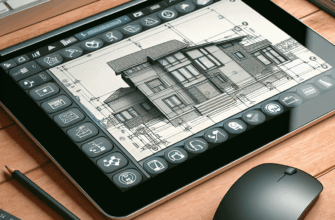
The applications of computer aided drawing are as diverse as the industries it serves. In architecture, CAD is used to create detailed floor plans, elevations, and sections, allowing architects to visualize complex structures and explore design alternatives. The ability to generate realistic renderings and walkthroughs provides clients with a clear understanding of the final project, facilitating better communication and decision-making.
In the field of engineering, CAD is instrumental in the design and analysis of mechanical components. Engineers use CAD to create intricate models of machinery and test their functionality through simulations. This capability not only enhances the design process but also helps identify potential issues before they arise, saving time and resources.
The manufacturing industry also benefits significantly from CAD technology. By integrating CAD with computer aided manufacturing (CAM) systems, manufacturers can streamline the production process, ensuring that designs are accurately translated into physical products. This integration is particularly beneficial in industries that require high levels of precision, such as electronics and medical device manufacturing.
Technological Advancements and Future Prospects
The evolution of computer aided drawing is closely tied to advancements in technology. The rise of cloud computing has made CAD software more accessible, allowing users to collaborate on projects in real time from different locations. This level of connectivity enhances teamwork and accelerates the design process.
Additionally, the integration of artificial intelligence and machine learning into CAD systems is opening new avenues for innovation. AI-powered tools can automate repetitive tasks, optimize designs, and even suggest improvements based on historical data. These advancements are not only making CAD more efficient but also expanding its capabilities beyond traditional design boundaries.
Looking to the future, the potential for CAD is limitless. As virtual and augmented reality technologies continue to mature, they are expected to play a significant role in enhancing the visualization and interaction with CAD models. This immersive experience will provide designers with a deeper understanding of their projects, leading to more informed design decisions.
Conclusions
Computer aided drawing is a transformative technology that has reshaped the design landscape across various industries. Its precision, versatility, and integration with other technologies make it an indispensable tool for professionals seeking to innovate and optimize their design processes. As technology continues to advance, CAD will undoubtedly evolve, offering even greater possibilities for creativity and efficiency in the world of design.