Introduction to CAD Drawing
In the realm of design and engineering, precision and efficiency are paramount. This is where Computer-Aided Design, or CAD, comes into play, revolutionizing the way professionals across various industries conceptualize and execute their projects. CAD drawing has become an indispensable tool, offering a digital approach to design that enhances accuracy, saves time, and facilitates seamless collaboration.
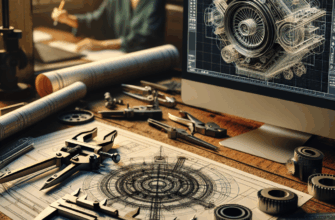
CAD drawing refers to the use of computer software to create detailed and precise digital models of physical objects. These models can range from simple two-dimensional sketches to complex three-dimensional representations. Unlike traditional hand-drawn blueprints, CAD drawings can be easily modified, shared, and stored, making them a versatile solution for modern design challenges. This technology is widely used in architecture, engineering, manufacturing, and many other fields where precision and detail are crucial.
The evolution of CAD drawing has been a game-changer for professionals, providing them with the ability to visualize and test their designs in a virtual environment before bringing them to life. This capability not only reduces errors but also allows for innovative exploration, as designers can experiment with different materials, structures, and functionalities without the constraints of physical prototypes. Furthermore, CAD software often comes equipped with a range of analytical tools that enable users to simulate real-world conditions and assess the performance of their designs under various scenarios.
As industries continue to advance, the demand for CAD expertise is growing. Professionals skilled in CAD drawing are highly sought after, as they possess the technical knowledge and creative prowess needed to drive projects from conception to completion. In this article, we will delve deeper into the intricacies of CAD drawing, exploring its key features, benefits, and the impact it has had on the design landscape. Whether you are a seasoned professional or a newcomer to the field, understanding the fundamentals of CAD drawing is essential for success in today’s fast-paced and technology-driven world.
The Evolution and Impact of CAD Drawing
Understanding CAD Drawing
CAD drawing, a cornerstone of modern design and engineering, involves the use of specialized software to create precise digital representations of objects. This technology has transformed traditional design processes by providing tools that enhance accuracy and streamline workflows. CAD drawing allows designers to create both two-dimensional and three-dimensional models, offering a comprehensive view of the project at hand. The ability to switch between these dimensions enables professionals to visualize their designs in a realistic manner, facilitating better decision-making and problem-solving.
Key Features of CAD Drawing
One of the most significant features of CAD drawing is its capacity for precision. The software allows for meticulous detailing that is often difficult to achieve with manual drafting. This precision is crucial in fields such as architecture and engineering, where even the smallest error can lead to significant issues. CAD software also offers a vast array of tools and functions, such as layering and scaling, which help in organizing complex projects and ensuring that all elements are proportionally accurate.
Another essential feature is the ease of modification. Unlike traditional methods, where changes required redrawing entire sections, CAD drawings can be edited effortlessly. This flexibility allows designers to explore various iterations of their work without the time-consuming process of starting from scratch. Additionally, CAD software supports collaboration by enabling multiple users to work on the same project simultaneously, regardless of their physical location. This collaborative aspect is invaluable in today’s interconnected world, where teamwork across different regions is commonplace.
The Benefits of CAD Drawing
The advantages of CAD drawing extend beyond precision and flexibility. One of the primary benefits is the significant reduction in design time. With automated processes and pre-built templates, designers can produce high-quality drawings faster than ever before. This efficiency not only accelerates project timelines but also reduces costs, as less time spent on design translates to lower labor expenses.
Furthermore, CAD drawing enhances communication among stakeholders. The digital nature of CAD files means they can be easily shared and reviewed, ensuring that everyone involved in a project is on the same page. This transparency minimizes misunderstandings and facilitates smoother project execution. Additionally, CAD software often includes simulation tools that allow designers to test their models under various conditions. This capability helps identify potential issues early in the design process, reducing the risk of costly mistakes during production or construction.
CAD Drawing in Industry
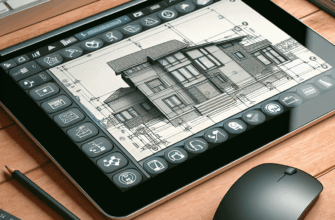
The impact of CAD drawing is evident across numerous industries. In architecture, it enables the creation of detailed blueprints and 3D models that help architects visualize entire structures before they are built. Engineers use CAD to design complex machinery and systems, ensuring that every component fits together perfectly. In manufacturing, CAD drawings guide the production of parts and assemblies, ensuring consistency and quality in the final product. Even in fields such as fashion and interior design, CAD technology is used to create intricate patterns and layouts, showcasing its versatility and adaptability.
Conclusion
In conclusion, CAD drawing has revolutionized the design and engineering landscape by providing tools that enhance precision, efficiency, and collaboration. Its evolution has enabled industries to push the boundaries of what is possible, leading to innovative solutions and improved outcomes. As technology continues to advance, the role of CAD drawing will undoubtedly expand, offering even more capabilities and opportunities for professionals across the globe. Understanding and mastering this technology is essential for anyone looking to succeed in the modern design environment.