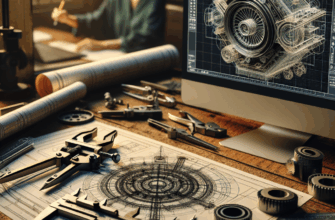
Exploring the Intersection of CAD and 3D Printing
The advent of 3D printing has revolutionized the way we approach design and manufacturing. At the heart of this technological transformation lies Computer-Aided Design or CAD a powerful tool that has become indispensable in the world of 3D printing. CAD software enables designers engineers and hobbyists to create detailed digital models which can then be transformed into physical objects through the process of 3D printing. This seamless integration of digital design and physical production has opened up a world of possibilities across various industries including aerospace healthcare automotive and consumer goods.
The integration of CAD with 3D printing technology has not only streamlined the design process but has also significantly reduced the time and cost associated with traditional manufacturing methods. With CAD designers can easily modify and optimize their models ensuring precision and accuracy before the printing process begins. This level of control and flexibility allows for rapid prototyping and iterative design enabling creators to test and refine their ideas with unprecedented speed and efficiency.
Moreover CAD software offers a wide range of features and capabilities that cater to different levels of expertise and project requirements. From simple geometric shapes to complex organic structures CAD provides the tools needed to bring even the most ambitious designs to life. As 3D printing technology continues to evolve so too does the functionality and accessibility of CAD software making it an essential component in the toolkit of modern designers and engineers.
In this article we will delve deeper into the dynamic relationship between CAD and 3D printing exploring how these technologies complement each other to drive innovation and creativity. We will examine the benefits and challenges associated with using CAD in the 3D printing process and highlight some of the latest advancements that are shaping the future of design and manufacturing. Whether you are a seasoned professional or a curious newcomer this exploration of CAD and 3D printing will provide valuable insights into how these technologies are transforming the way we create and build.
The Synergy of CAD and 3D Printing in Modern Manufacturing
CAD: The Foundation of 3D Design
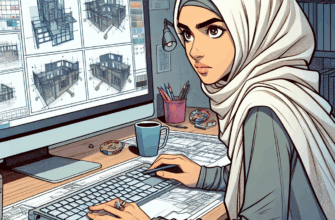
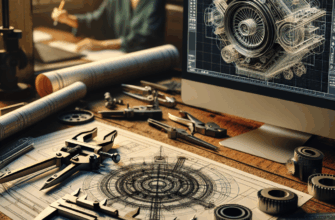
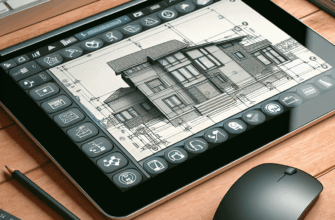
Computer-Aided Design CAD serves as the cornerstone of modern 3D printing by providing a digital platform for creating intricate models and designs. CAD software offers a variety of tools that allow designers to draft edit and visualize their concepts in three dimensions. This digital foundation is crucial as it sets the stage for the subsequent stages of prototyping and production. The precision and detail possible with CAD make it an invaluable resource for industries that demand high levels of accuracy such as aerospace and medical device manufacturing. CAD software empowers designers to experiment with forms and structures that would be challenging to achieve through traditional methods allowing for innovation and creativity to flourish.
3D Printing: Transforming Digital Designs into Reality
Once a design is finalized in CAD software the next step is to bring that digital model into the physical world through 3D printing. This process involves the layer-by-layer construction of an object using materials such as plastics metals or ceramics. 3D printing is celebrated for its versatility and efficiency enabling the production of complex geometries that are often impossible to create with traditional manufacturing techniques. This capability is particularly beneficial for creating customized products and small batch productions where conventional methods would be cost-prohibitive. Additionally 3D printing reduces material waste and shortens production times making it an environmentally friendly and economically viable option for many industries.
The Benefits of Integrating CAD and 3D Printing
The integration of CAD and 3D printing offers numerous advantages that are reshaping the landscape of manufacturing. One of the primary benefits is the ability to rapidly prototype designs. This means that designers can quickly produce physical models to test form fit and function. This iterative process allows for immediate feedback and adjustments leading to improved product design and performance. Furthermore the digital nature of CAD models means that they can be easily shared and modified facilitating collaboration among teams across different locations and disciplines. This collaborative aspect is crucial in today’s globalized market where innovation often requires input from a diverse group of experts.
Challenges and Considerations
Despite the many benefits there are challenges associated with the use of CAD and 3D printing. One significant challenge is the learning curve associated with mastering CAD software. While many programs offer intuitive interfaces the complexity of features can be daunting for beginners. Additionally the quality and durability of 3D printed objects can vary depending on the materials used and the precision of the printing process. It is essential for designers and engineers to understand the limitations of both CAD software and 3D printing technology to ensure the successful realization of their projects. Moreover intellectual property concerns arise when digital CAD files are easily shared and reproduced necessitating robust security measures to protect proprietary designs.
Conclusion
The combination of CAD and 3D printing represents a powerful synergy that is transforming the way products are designed and manufactured. By leveraging the strengths of both technologies industries can achieve unprecedented levels of customization efficiency and innovation. While challenges remain the continued advancement of CAD software and 3D printing technology promises to further enhance their capabilities opening new possibilities for creative expression and industrial application. As these technologies continue to evolve they will undoubtedly play a pivotal role in shaping the future of design and manufacturing.