Exploring the World of Tinkering CAD
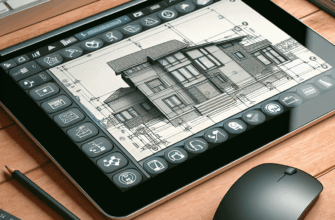
In the ever-evolving landscape of technology and design, Computer-Aided Design, or CAD, has emerged as an indispensable tool for engineers, architects, and designers. As the digital age advances, so too does the accessibility and functionality of CAD software, making it an essential component in various fields ranging from industrial design to architecture and beyond. Among the many facets of CAD, one particularly intriguing aspect is tinkering CAD. This approach combines the precision of traditional CAD with the creativity and experimentation often associated with hands-on tinkering. It offers a unique blend of structured design and innovative exploration, empowering both professionals and hobbyists alike to push the boundaries of what is possible.
Tinkering CAD represents a shift in how we perceive and interact with design tools. It encourages a mindset where trial and error are not just tolerated but embraced as a crucial part of the creative process. This approach allows users to experiment freely, iterating on ideas without the fear of making irreversible mistakes. As a result, tinkering CAD fosters an environment where creativity can flourish, and new ideas can be explored with minimal constraints. This is particularly appealing in educational settings, where students can learn by doing, developing their problem-solving skills and gaining a deeper understanding of design principles through hands-on experience.
Moreover, the rise of tinkering CAD is closely linked to the growing maker movement, which emphasizes DIY culture and the democratization of technology. With the advent of affordable 3D printers and open-source software, individuals now have unprecedented access to tools that were once the domain of large corporations and specialized professionals. Tinkering CAD fits seamlessly into this ecosystem, providing a platform for users to design, modify, and create tangible objects from the comfort of their own homes. This accessibility is not only empowering for individuals but also has the potential to drive innovation on a broader scale, as more people are able to contribute to the design and creation of new products and solutions.
As we delve deeper into the world of tinkering CAD, it becomes evident that this approach is more than just a trend; it is a fundamental shift in how we approach design and creation. By embracing the principles of experimentation and exploration, tinkering CAD opens up new possibilities for innovation and creativity, making it an exciting and valuable tool for anyone interested in the world of design.
The Dynamic Intersection of Creativity and Technology
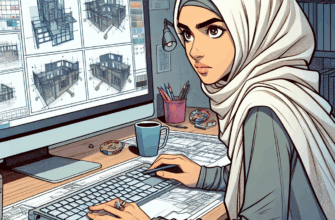
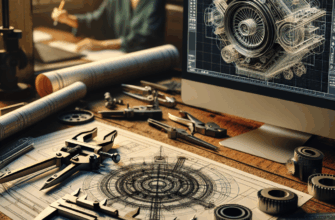
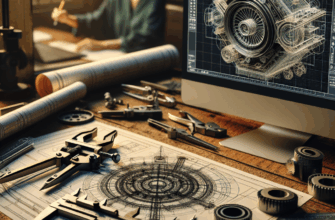
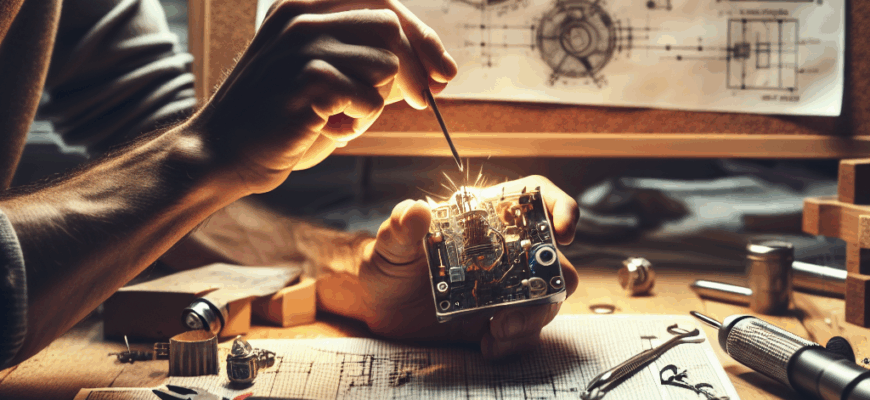
The concept of tinkering CAD is reshaping the landscape of design by merging the structured world of computer-aided drafting with the free-spirited nature of hands-on tinkering. This approach is not only bridging the gap between digital and physical realms but also fostering a new breed of designers who are as comfortable with a mouse and keyboard as they are with a wrench and soldering iron. By integrating these two worlds, tinkering CAD encourages a holistic understanding of design that encompasses both theoretical knowledge and practical application.
Tinkering CAD: A New Frontier in Design
Tinkering CAD represents a paradigm shift in how we approach design challenges. Traditionally, CAD has been associated with precise, technical drawings that require a high level of expertise and experience. However, with the advent of tinkering CAD, the barriers to entry have been significantly lowered. This new approach allows users to engage in a more exploratory form of design, where the focus is on experimentation and iteration rather than achieving perfection on the first try.
This shift is particularly evident in educational settings, where tinkering CAD is being used as a tool to teach students about design principles in a more engaging and interactive way. By allowing students to experiment and learn from their mistakes, tinkering CAD helps to develop critical thinking and problem-solving skills that are essential in today’s fast-paced world. Moreover, it provides a platform for students to bring their ideas to life, fostering a sense of accomplishment and confidence in their abilities.
The Role of Tinkering CAD in the Maker Movement
The rise of the maker movement has been a driving force behind the growing popularity of tinkering CAD. This movement, which emphasizes DIY culture and the democratization of technology, has created a community of individuals who are passionate about creating and sharing their own designs. Tinkering CAD fits perfectly into this ethos, offering a flexible and accessible tool for makers to design and produce their own creations.
With the proliferation of affordable 3D printers and open-source CAD software, more people than ever have the opportunity to engage in the design process. Tinkering CAD empowers individuals to take control of their own creations, allowing them to customize and iterate on designs to suit their specific needs. This level of personalization is a key aspect of the maker movement, where the focus is on creating unique, one-of-a-kind products that reflect the individuality of the maker.
Conclusions
In conclusion, tinkering CAD is revolutionizing the way we approach design by combining the precision of traditional CAD with the creativity and experimentation of tinkering. This approach is making design more accessible and engaging, particularly in educational settings, where it is helping to develop the next generation of innovators. Furthermore, tinkering CAD is playing a crucial role in the maker movement, empowering individuals to take control of their own creations and contribute to a culture of innovation and creativity. As technology continues to evolve, the possibilities for tinkering CAD are virtually limitless, making it an exciting and valuable tool for anyone interested in the world of design.