Introduction to Computer-Aided Design
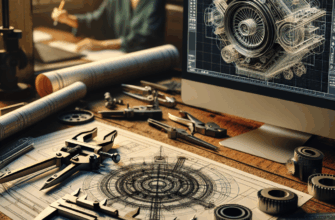
In the rapidly evolving landscape of technology and engineering, Computer-Aided Design, commonly referred to as CAD, stands out as a transformative force. It has revolutionized the way designers, engineers, and architects conceptualize and create their projects. CAD refers to the use of computer systems to assist in the creation, modification, analysis, or optimization of a design. This technology has become an indispensable tool across various industries, including automotive, aerospace, architecture, and industrial design, among others.
The origins of CAD can be traced back to the early 1960s when the first computer graphics were developed. Since then, CAD software has evolved significantly, offering increasingly sophisticated tools and capabilities. Today, CAD is not just about creating precise drawings and models; it encompasses a wide range of applications including simulation, rendering, and even virtual reality. This evolution has enabled professionals to push the boundaries of innovation, enhancing both the efficiency and quality of their work.
One of the primary advantages of CAD is its ability to streamline the design process. Traditional drafting techniques were time-consuming and prone to errors, but with CAD, designers can easily make modifications, test different scenarios, and optimize their designs with precision and speed. This not only reduces the time required to bring a product to market but also improves the overall quality and performance of the final product.
Moreover, CAD facilitates collaboration among team members, regardless of their geographical location. With cloud-based CAD solutions, multiple users can work on the same project simultaneously, ensuring that everyone is on the same page and reducing the likelihood of miscommunication. This collaborative aspect is crucial in today’s globalized world, where teams often comprise members from different parts of the world.
As we delve deeper into the world of CAD in this article, we will explore its various applications, benefits, and the future trends that are shaping its evolution. Whether you are a seasoned professional or new to the field, understanding the impact and capabilities of CAD is essential for staying competitive and innovative in today’s fast-paced environment.
The Impact and Applications of CAD
Computer-Aided Design, or CAD, has become an integral part of modern industry and design, providing powerful tools that enhance creativity, precision, and productivity. As digital technology continues to advance, the impact of CAD is felt across a multitude of sectors, each leveraging its capabilities to innovate and improve their processes. This section delves into the various applications of CAD and the transformative effects it has on different industries.
CAD in Architecture and Construction
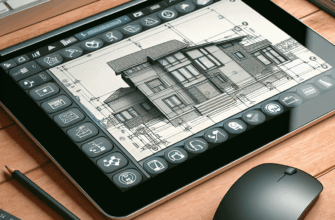
In the fields of architecture and construction, CAD has drastically changed the way buildings and infrastructures are designed and constructed. Architects utilize CAD software to create detailed 2D and 3D models of their designs, allowing for a comprehensive visualization of the final product before construction begins. This capability not only aids in identifying potential design flaws early in the process but also facilitates communication with clients through realistic renderings and walkthroughs. Furthermore, CAD enables architects to experiment with different materials, structures, and layouts, optimizing the design for functionality and aesthetics.
CAD in Manufacturing and Engineering
The manufacturing and engineering sectors have also greatly benefited from the integration of CAD technology. Engineers use CAD to design complex mechanical components and systems with high precision. The software’s ability to simulate real-world conditions and stress tests allows for the optimization of designs, ensuring that products meet safety and performance standards. In manufacturing, CAD is essential for creating detailed specifications that guide the production process, from CNC machining to 3D printing. This precision reduces waste and enhances the efficiency of manufacturing operations, leading to cost savings and improved product quality.
CAD in Automotive and Aerospace Industries
The automotive and aerospace industries are at the forefront of CAD utilization, where the demand for innovation and precision is paramount. CAD software enables the design of intricate vehicle components, ensuring they meet stringent safety and performance criteria. In the aerospace sector, CAD is used to design everything from small components to entire aircraft, allowing engineers to simulate aerodynamic properties and structural integrity. This capability is crucial for developing cutting-edge technologies and maintaining competitiveness in these highly technical fields.
CAD in Fashion and Textile Design
Beyond traditional engineering and architecture, CAD has found its place in the fashion and textile industry. Designers use CAD software to create detailed patterns and fabric simulations, streamlining the design process and allowing for rapid prototyping. This technology enables designers to experiment with different textures, colors, and patterns, enhancing creativity and innovation in fashion design. Additionally, CAD helps in the production planning and management of textile manufacturing, ensuring precision and efficiency in the creation of garments.
Conclusion
In conclusion, Computer-Aided Design has become an indispensable tool across a wide range of industries, driving innovation and efficiency. Its ability to create detailed and precise models, simulate real-world conditions, and facilitate collaboration has transformed the way products are designed and manufactured. As technology continues to evolve, CAD will undoubtedly play an even more significant role in shaping the future of design and engineering, pushing the boundaries of what is possible and enabling industries to meet the challenges of tomorrow.