Introduction to Computer Assisted Design
In the ever-evolving landscape of technology, computer assisted design, often abbreviated as CAD, has emerged as a pivotal tool in various industries. From architecture to engineering and even fashion, CAD systems have revolutionized the way professionals conceptualize, design, and execute their projects. This powerful technology allows for the creation of precise drawings and models, enabling designers to visualize their ideas with unprecedented clarity and accuracy. As we delve into the intricacies of computer assisted design, it is essential to understand its origins, evolution, and the myriad benefits it offers to modern-day designers and engineers.
The genesis of CAD traces back to the mid-20th century when the need for more efficient design processes became apparent. With the advent of computers, pioneers in the field began exploring ways to leverage computational power to assist in design tasks. What started as simple two-dimensional drawing programs has now evolved into sophisticated three-dimensional modeling software capable of rendering complex structures and simulating real-world conditions. This evolution has not only streamlined the design process but has also opened up new avenues for creativity and innovation.
One of the most significant advantages of computer assisted design is its ability to enhance productivity. Traditional design methods often involved labor-intensive processes that were prone to error and required significant time and resources. CAD systems, on the other hand, allow for rapid prototyping and iterative design, enabling professionals to experiment with different ideas and make adjustments on the fly. This flexibility not only accelerates the design cycle but also reduces the likelihood of costly mistakes, ultimately leading to more efficient and effective project outcomes.
Moreover, CAD software has democratized the design process, making it accessible to a broader audience. With user-friendly interfaces and a wide range of features, even those with limited technical expertise can harness the power of CAD to bring their visions to life. This accessibility has led to a surge in creativity and innovation, as individuals from diverse backgrounds can now contribute to the design world in meaningful ways. As we continue to explore the potential of computer assisted design, it is evident that this technology will remain a cornerstone of modern design practices, driving progress and shaping the future of various industries.
The Evolution and Impact of Computer Assisted Design
Computer assisted design has undergone a remarkable transformation since its inception, evolving from rudimentary drawing tools to advanced software capable of complex simulations and analyses. This evolution has been driven by rapid advancements in computing power and the increasing demands of industries that rely on precision and efficiency. As CAD technology continues to develop, it is reshaping the landscape of design and engineering, offering tools that not only enhance creativity but also improve accuracy and productivity.
Computer Assisted Design in Architecture and Construction
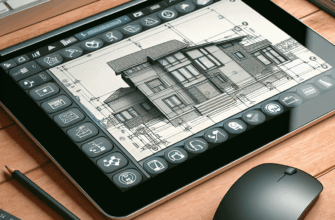
In the field of architecture and construction, CAD has become an indispensable tool. Architects use CAD software to create detailed blueprints and 3D models that provide a comprehensive view of a structure before it is built. This capability allows for better visualization of the final product, enabling architects to make informed decisions about design elements and materials. Additionally, CAD software can simulate environmental conditions, helping architects optimize energy efficiency and sustainability in their designs. The ability to detect potential issues early in the design process reduces the risk of costly alterations during construction, ultimately saving time and resources.
Advancements in Engineering and Manufacturing
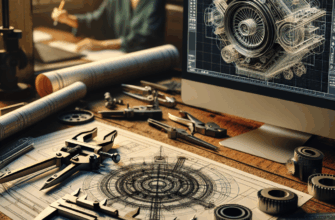
In engineering and manufacturing, CAD systems have revolutionized the way products are designed and produced. Engineers can use CAD software to create intricate designs with precise measurements, ensuring that each component fits together seamlessly. This precision is crucial in industries such as aerospace and automotive, where even the smallest error can have significant consequences. Furthermore, CAD software often integrates with computer-aided manufacturing (CAM) systems, streamlining the transition from design to production. This integration allows for automated machining processes, reducing human error and increasing production efficiency.
The Role of CAD in Fashion and Textile Design
Beyond traditional engineering fields, computer assisted design is making waves in the fashion and textile industry. Designers use CAD software to create digital patterns and prototypes, allowing them to experiment with different fabrics, colors, and styles without the need for physical samples. This capability not only speeds up the design process but also reduces waste, as designers can perfect their creations in the digital realm before producing physical garments. The ability to visualize and modify designs quickly empowers designers to stay ahead of trends and meet the fast-paced demands of the fashion industry.
Conclusion
In conclusion, computer assisted design has become a cornerstone of modern design and engineering practices. Its evolution from simple drafting tools to sophisticated software has transformed industries by enhancing creativity, improving accuracy, and increasing efficiency. As CAD technology continues to advance, it will undoubtedly open new frontiers in design, enabling professionals to push the boundaries of what is possible. Whether in architecture, engineering, or fashion, computer assisted design is an essential tool that will continue to shape the future of innovation and creativity.