Introduction to CAD Software for 3D Printing
In recent years, the fusion of computer-aided design, or CAD, with 3D printing technology has revolutionized the way we approach manufacturing, prototyping, and even everyday problem-solving. CAD software serves as the digital backbone for 3D printing, providing the tools necessary to create detailed and precise models that can be transformed into physical objects. This synergy between CAD and 3D printing has opened up a world of possibilities for professionals and hobbyists alike, enabling the creation of complex structures that were once thought impossible or impractical to produce.
The evolution of CAD software has been a driving force behind the rapid advancements in 3D printing. Early CAD programs were primarily used in engineering and architectural fields, focusing on technical drawings and schematics. However, as 3D printing technology has advanced, CAD software has evolved to accommodate the unique requirements of creating three-dimensional objects. Modern CAD programs are equipped with sophisticated features that allow users to design intricate models with high levels of detail and accuracy, making them indispensable tools in the 3D printing process.
One of the most significant advantages of using CAD software for 3D printing is its ability to streamline the design-to-production workflow. By allowing designers to create digital models that can be easily modified and optimized, CAD software reduces the time and resources needed to bring a concept to life. This efficiency is particularly valuable in industries such as aerospace, automotive, and healthcare, where precision and speed are critical. Additionally, the ability to simulate and test designs in a virtual environment helps identify potential issues before production begins, saving both time and material costs.
As the demand for 3D printing continues to grow, so too does the need for intuitive and powerful CAD software. The market is flooded with a variety of CAD programs, each offering unique features and capabilities tailored to different user needs. Whether you are a seasoned professional seeking advanced functionality or a beginner looking for user-friendly options, there is a CAD solution available to suit your 3D printing projects. In this article, we will explore the key features of CAD software for 3D printing, discuss the benefits and challenges of using these tools, and provide practical recommendations to help you choose the right software for your needs.
Exploring CAD Software for 3D Printing
Understanding CAD Software for 3D Printing
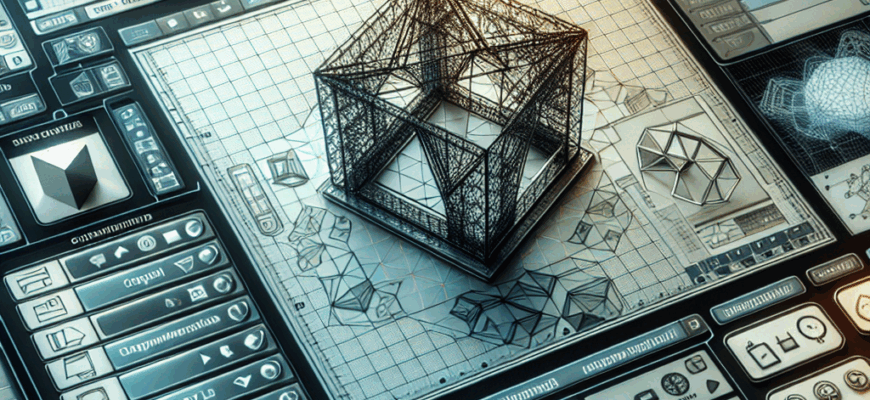
Computer-aided design software plays a pivotal role in the 3D printing process by allowing users to create precise digital models that can be transformed into physical objects. The software provides a platform for designing, modifying, and optimizing 3D models with a high degree of accuracy, making it an essential tool for both professionals and hobbyists. CAD software for 3D printing typically includes a variety of features such as parametric modeling, which allows for the creation of complex geometries based on defined parameters, and direct modeling, which offers more flexibility in modifying shapes and structures. These features enable users to experiment with different design concepts and iterate rapidly, ensuring that the final model meets the desired specifications.
Key Features of CAD Software for 3D Printing
When selecting CAD software for 3D printing, several key features should be considered to ensure it meets the specific needs of your projects. One important feature is the ability to export files in formats compatible with 3D printers, such as STL or OBJ. This ensures seamless integration between the design and printing phases. Additionally, many CAD programs offer simulation tools that allow users to test the structural integrity and functionality of their designs before printing. This can help identify potential issues and reduce the risk of errors during production. Other valuable features include support for multi-material designs, advanced rendering capabilities, and cloud-based collaboration tools that facilitate teamwork and sharing of designs.
Benefits of Using CAD Software for 3D Printing
The integration of CAD software with 3D printing offers numerous benefits, making it a powerful combination for innovation and creativity. One of the primary advantages is the ability to create highly detailed and customized designs that would be difficult or impossible to achieve with traditional manufacturing methods. This opens up new possibilities for industries such as healthcare, where personalized medical devices and prosthetics can be tailored to individual patients. Additionally, CAD software streamlines the design process, reducing the time and cost associated with prototyping and production. The ability to iterate quickly and efficiently allows for faster development cycles and greater flexibility in responding to design challenges.
Challenges and Considerations
While CAD software offers many advantages, there are also challenges and considerations to keep in mind when using it for 3D printing. One of the main challenges is the learning curve associated with mastering complex CAD tools, which can be daunting for beginners. However, many software providers offer tutorials and resources to help users get up to speed. Another consideration is the cost of professional-grade CAD software, which can be significant. Fortunately, there are also free and open-source options available that provide basic functionality for those on a budget. Additionally, ensuring compatibility between the CAD software and 3D printer is crucial to avoid issues during the printing process.
Conclusion
In conclusion, CAD software is an indispensable tool for anyone involved in 3D printing, offering the precision and flexibility needed to bring innovative designs to life. By understanding the key features and benefits of CAD software, users can make informed decisions when selecting the right program for their needs. Despite the challenges associated with learning and cost, the advantages of using CAD software for 3D printing far outweigh the drawbacks, enabling users to push the boundaries of what is possible in design and manufacturing. With the right tools and knowledge, the potential for creativity and innovation in 3D printing is limitless.