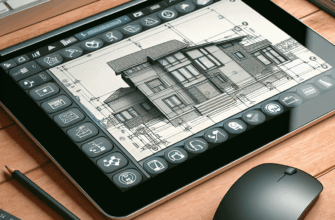
Introduction to ArchiCAD: Revolutionizing Architectural Design
In the rapidly evolving world of architecture and design, the tools and technologies used by professionals are constantly advancing to meet the demands of modern construction and innovation. One such tool that has significantly impacted the industry is ArchiCAD, a leading Building Information Modeling (BIM) software developed by Graphisoft. As architects and designers strive to create more efficient, sustainable, and aesthetically pleasing structures, ArchiCAD stands out as a powerful ally in achieving these goals.
ArchiCAD is more than just a drafting tool; it is a comprehensive platform that facilitates the seamless integration of design, visualization, and collaboration. This software empowers architects to bring their visions to life with precision and creativity, offering a wide array of features that enhance the design process from conception to completion. Its intuitive interface and robust capabilities make it an ideal choice for both seasoned professionals and those new to the field.
One of the key strengths of ArchiCAD is its ability to create detailed 3D models that provide a realistic representation of a project. This not only aids in visualizing the final outcome but also allows for thorough analysis and problem-solving during the design phase. By simulating real-world conditions, architects can anticipate challenges and make informed decisions, ultimately leading to more successful project outcomes.
Furthermore, ArchiCAD fosters collaboration among project stakeholders by allowing multiple users to work on the same model simultaneously. This collaborative environment ensures that all team members are on the same page, reducing the likelihood of errors and miscommunication. As a result, projects can be completed more efficiently and with greater accuracy.
In addition to its technical capabilities, ArchiCAD is also known for its commitment to sustainability. The software includes tools that help architects design energy-efficient buildings, taking into account factors such as natural lighting, heating, and cooling. This focus on sustainability aligns with the growing demand for environmentally conscious design practices in the industry.
In this article, we will delve deeper into the features and benefits of ArchiCAD, exploring how it has transformed the architectural landscape. From its innovative tools to its collaborative potential, ArchiCAD is a testament to the power of technology in shaping the future of architecture.
Exploring the Features and Impact of ArchiCAD
ArchiCAD has established itself as a cornerstone in the realm of architectural design software, offering a suite of features that cater to the diverse needs of architects and designers. As the architectural industry continues to embrace digital transformation, ArchiCAD stands out for its ability to streamline workflows, enhance collaboration, and foster innovation. In this section, we will explore the core features of ArchiCAD and its impact on the architectural landscape.
Comprehensive Design Tools
At the heart of ArchiCAD is its extensive array of design tools that enable architects to create detailed and accurate models. The software supports both 2D and 3D design, allowing users to switch seamlessly between different views and representations. This flexibility is crucial for architects who need to visualize their projects from multiple perspectives. ArchiCAD’s parametric design capabilities further enhance its utility, enabling users to manipulate design elements with precision and ease.
Building Information Modeling (BIM)
ArchiCAD is renowned for its robust Building Information Modeling (BIM) capabilities. BIM is a process that involves the generation and management of digital representations of physical and functional characteristics of places. ArchiCAD’s BIM tools allow architects to create comprehensive models that include not only the geometry of a building but also its spatial relationships, geographic information, and quantities and properties of building components. This holistic approach to modeling facilitates better decision-making and coordination throughout the project lifecycle.
Collaboration and Teamwork
One of the standout features of ArchiCAD is its emphasis on collaboration. The software’s Teamwork feature enables multiple users to work on the same project simultaneously, fostering a collaborative environment that enhances productivity and reduces errors. This is particularly beneficial in large-scale projects where coordination among different team members is essential. The ability to share models and updates in real-time ensures that all stakeholders are aligned and informed, leading to more efficient project delivery.
Visualization and Presentation
ArchiCAD excels in providing architects with powerful visualization tools that bring their designs to life. The software includes a range of rendering options that produce high-quality images and animations, which are invaluable for client presentations and marketing purposes. These visualization capabilities allow architects to communicate their ideas more effectively, helping clients to better understand and appreciate the proposed designs.
Customization and Flexibility
ArchiCAD offers a high degree of customization, allowing users to tailor the software to their specific needs and preferences. From creating custom objects and templates to scripting complex workflows, ArchiCAD provides the flexibility needed to accommodate a wide range of architectural projects. This adaptability makes it a versatile tool for architects working in various sectors, from residential and commercial to industrial and institutional design.
Conclusions
In conclusion, ArchiCAD has proven to be an indispensable tool in the field of architecture, offering a comprehensive suite of features that enhance the design process and improve project outcomes. Its emphasis on collaboration, visualization, and customization makes it a preferred choice for architects seeking to deliver innovative and efficient designs. As the architectural industry continues to evolve, ArchiCAD remains at the forefront, empowering architects to push the boundaries of creativity and functionality.